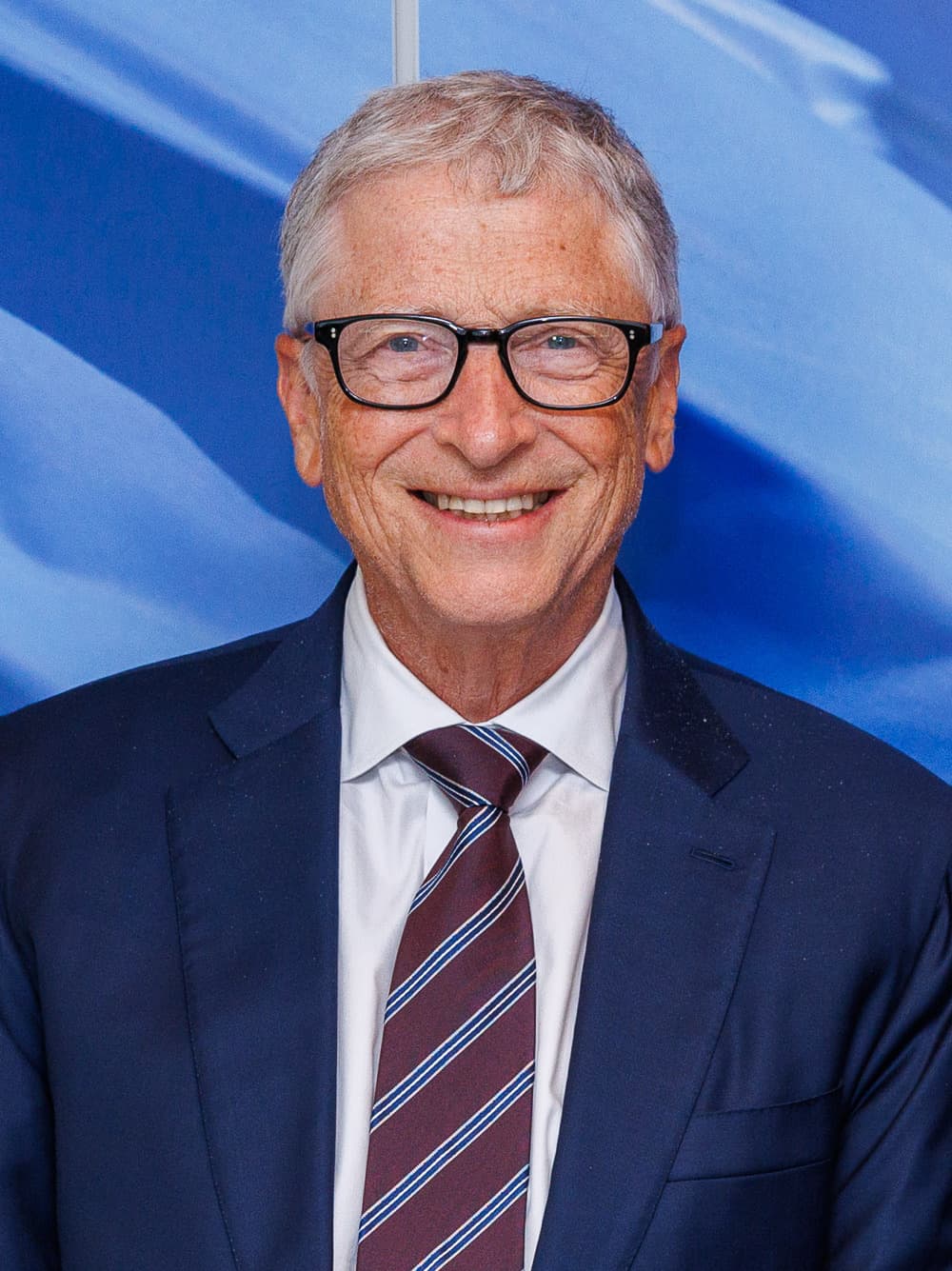
The breakdown
These scores are expert estimates produced from the Wellspoken Index rubric, not the production pipeline. The methodology link below explains how the dimensions are weighted. Read the methodology.
- Structure210 / 250 (84%)
- Conciseness165 / 200 (83%)
- Confidence118 / 150 (79%)
- Pronunciation135 / 150 (90%)
- Filler Rate120 / 150 (80%)
- Pace72 / 100 (72%)
In the recording
Harvard University commencement address, June 7, 2007
I left Harvard with no real awareness of the awful inequities in the world – the appalling disparities of health, and wealth, and opportunity that condemn millions of people to lives of despair. I learned a lot here at Harvard about new ideas in economics and politics. I got great exposure to the advances being made in the sciences. But humanity's greatest advances are not in its discoveries – but in how those discoveries are applied to reduce inequity.
- Structure / Signposting. States what he didn't know before pivoting to what he did learn, a two-part contrast that sets up the entire speech's thesis in under 60 words.
- Confidence / Assertiveness. Self-critical opening ('I left Harvard with no real awareness') is a deliberate credibility move. He names his own blind spot before asking graduates to fix theirs.
- Conciseness / Word Economy. Compresses the thesis of a 25-minute speech, that applying knowledge matters more than the knowledge itself, into one 24-word sentence.
How to speak like Bill Gates
Prop-driven demonstration
At TED2009 he opened a jar of mosquitoes on stage to make an abstract malaria statistic physically real to the audience, a technique he's returned to whenever a number alone wouldn't land.
Regret-as-hook opening
Opens with an admission of a personal blind spot to earn credibility before making an ask, as in the Harvard 2007 opening about leaving school unaware of global inequity.
Systems-engineering analogies
Explains global development and health problems using software and hardware analogies, translating unfamiliar territory into terms a technical audience already trusts.
FAQs
Was Bill Gates always a confident public speaker?
No. Early Microsoft-era Gates, in depositions and product launches through the 1990s, was famously monotone and awkward on camera. The more animated, story-driven delivery seen in appearances like his 2009 TED talk came later, after years of practice built around the Gates Foundation's public health work.
What was Bill Gates' speaking pace at Harvard?
Steady and unhurried by design. He was reading fully prepared remarks rather than working from notes, which shows up in this excerpt as short, complete sentences delivered without the false starts common in extemporaneous talks.
Does Bill Gates use filler words?
Rarely in prepared remarks like this one. His more common tic in unscripted settings, congressional depositions and product Q&As from the 1990s and 2000s, is long, unbroken technical sentences rather than 'um' or 'uh.'