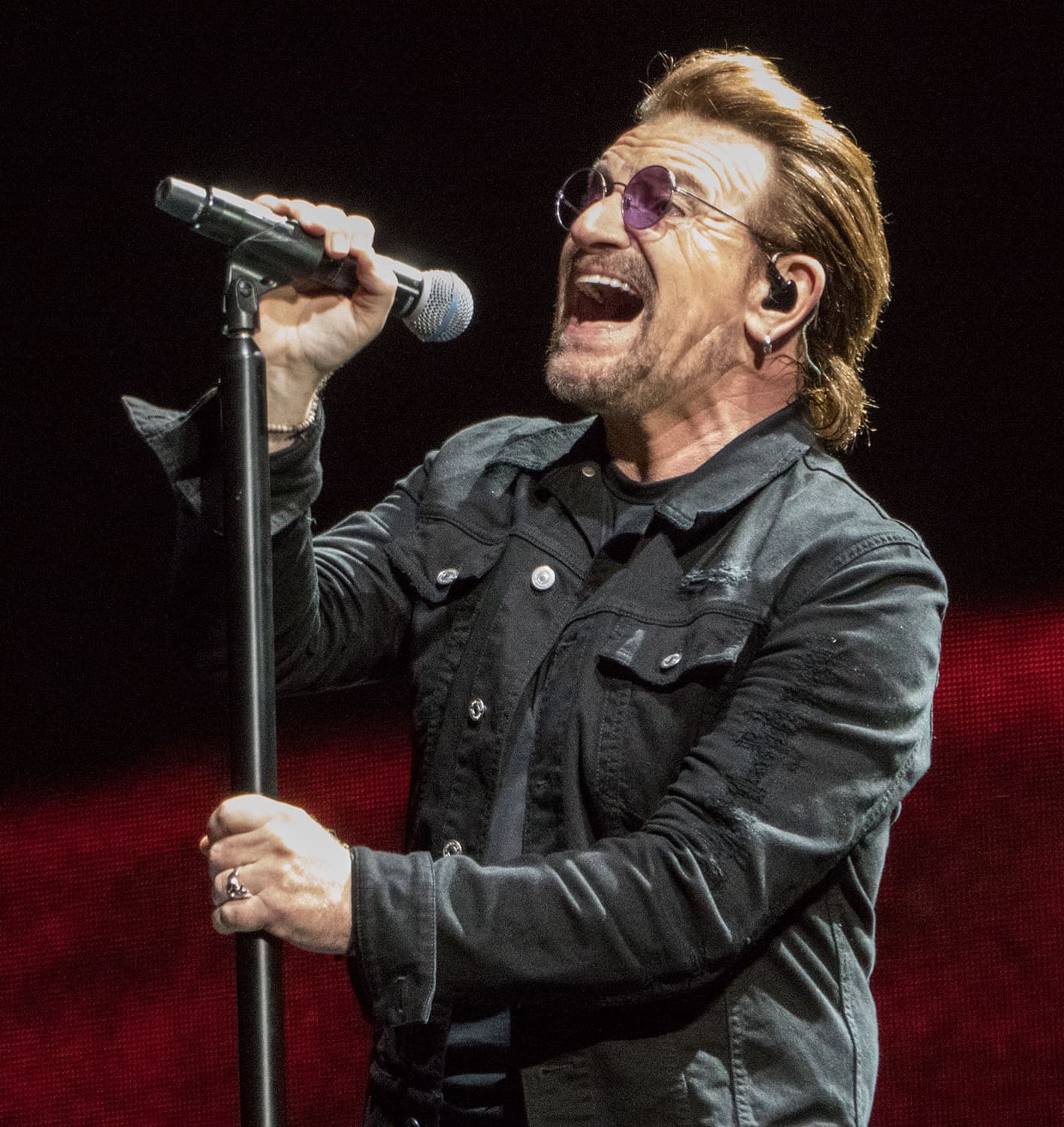
The breakdown
These scores are expert estimates produced from the Wellspoken Index rubric, not the production pipeline. The methodology link below explains how the dimensions are weighted. Read the methodology.
- Structure200 / 250 (80%)
- Conciseness145 / 200 (73%)
- Confidence144 / 150 (96%)
- Pronunciation135 / 150 (90%)
- Filler Rate125 / 150 (83%)
- Pace68 / 100 (68%)
In the recording
Georgetown University, Global Social Enterprise Initiative address, November 12, 2012
That's what I'm hoping happens here at Georgetown with you. Because when you truly accept that those children in some far off place in the global village have the same value as you in God's eyes, or even in just your eyes, then your life is forever changed. You see something that you can't un-see.
- Structure / Signposting. States the emotional payoff first, 'your life is forever changed,' then earns it in the following sentence, reversing the usual build-to-a-climax order.
- Conciseness / Word Economy. One long compound sentence carries the entire argument, from 'because when you truly accept' through 'forever changed,' trading brevity for cumulative rhetorical weight.
- Confidence / Assertiveness. 'You see something that you can't un-see' is a flat, unhedged closing claim, no 'I think' or 'maybe,' delivered as settled fact.
How to speak like Bono
Parallel repetition into a punchline
He repeats the same sentence structure with small variations, 'Ireland is a great country, but it's not an idea. Great Britain is a great country, but it's not an idea,' building toward a single conclusion.
Borrow the room's own frame of reference
At Georgetown he ties his argument to the university's own founder, St. Ignatius of Loyola, rather than an outside example, so the abstract point lands inside values the audience already holds.
Drop a short, quotable moral claim inside a longer build-up
Lines like 'you must not let this economic recession become a moral recession' are short and declarative, embedded in longer explanatory passages, giving the line a chance to stand alone as a quote.
FAQs
Why does Bono's speaking style sound almost like preaching?
He builds arguments the way a sermon does: parallel repetition ('Ireland is a great country, but it's not an idea...'), a rising rhetorical build, and a short, declarative moral claim at the end. Decades of addressing stadium crowds as a frontman shaped a cadence built for a large room.
What is Bono's speaking pace?
Deliberate and slower than conversational speech. He leaves space around his short declarative lines so they land as separate, quotable statements rather than getting buried in the surrounding sentence, a pacing that is consistent across his public speaking, from Georgetown to Davos to U2 concert monologues.
Does Bono use filler words when speaking?
Occasionally, mostly 'you know' in the more extemporaneous stretches between his prepared lines. His set-piece lines, the ones built on repetition and parallel structure, are typically close to filler-free, which suggests those passages are rehearsed even when the surrounding remarks are not.