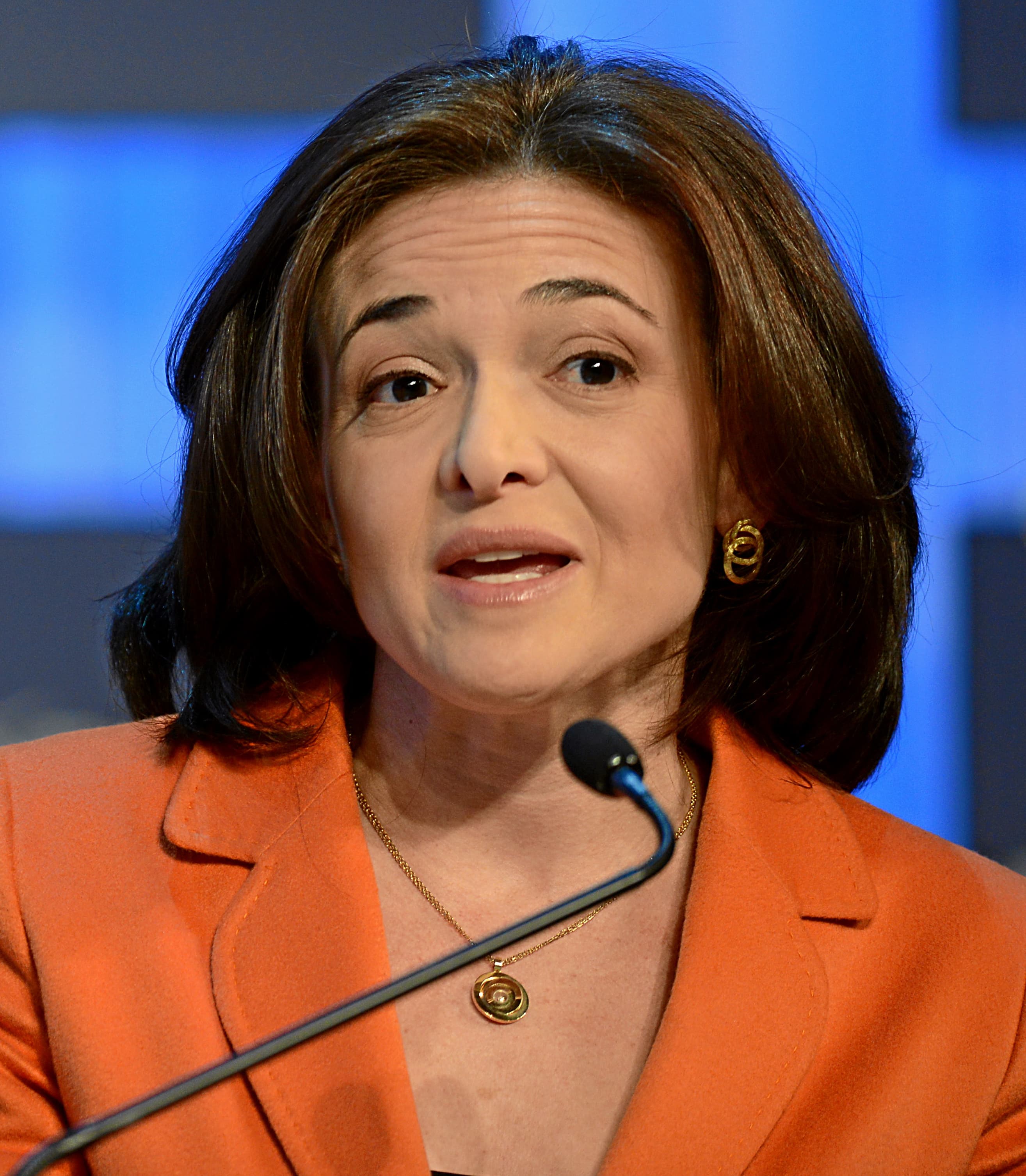
The breakdown
These scores are expert estimates produced from the Wellspoken Index rubric, not the production pipeline. The methodology link below explains how the dimensions are weighted. Read the methodology.
- Structure235 / 250 (94%)
- Conciseness180 / 200 (90%)
- Confidence140 / 150 (93%)
- Pronunciation142 / 150 (95%)
- Filler Rate128 / 150 (85%)
- Pace78 / 100 (78%)
In the recording
TEDWomen 2010: "Why we have too few women leaders," December 2010
So for any of us in this room today, let's start out by admitting we're lucky. We don't live in the world our mothers lived in, our grandmothers lived in, where career choices for women were so limited. And if you're in this room today, most of us grew up in a world where we had basic civil rights, and amazingly, we still live in a world where some women don't have them.
- Structure / Signposting. Opens by naming the room directly, 'any of us in this room today,' and immediately stating a claim to agree on, 'we're lucky,' before complicating it, a concession-then-turn opening.
- Confidence / Assertiveness. 'Let's start out by admitting' is an inclusive command. She directs the audience's frame from her first sentence rather than easing into the topic.
- Pace. Short, clause-stacked sentences, 'our mothers lived in, our grandmothers lived in,' build rhythm through repetition rather than long compound sentences, a pattern that lands as controlled, deliberate pacing on video.
How to speak like Sheryl Sandberg
Numbered thesis upfront
States exactly three named pieces of advice early, sit at the table, make your partner a real partner, don't leave before you leave, turning the talk into a memorizable, shareable list.
Statistic-then-story pairing
Follows a hard number, such as nine of 190 heads of state being women, directly with a first-person anecdote that makes the same point concrete.
Second-person imperative
Uses direct commands rather than descriptive statements, 'Sit at the table. Come on, sit at the table,' to convert an observation into a call to action.
FAQs
Why is Sheryl Sandberg's TED talk considered so well structured?
She states her three-part thesis, sit at the table, make your partner a real partner, don't leave before you leave, within the first few minutes and organizes the rest of the talk strictly around those three named sections, a signposting choice that makes the talk easy to summarize and remember.
What is Sheryl Sandberg's speaking pace?
Efficient and controlled, close to a typical rehearsed TED pace. Short, stacked clauses substitute for a faster rate of speech, giving the talk forward momentum without her actually speaking quickly.
Does Sheryl Sandberg use filler words?
Very few in this talk. It was extensively rehearsed for TEDWomen 2010, and the sentence-level repetition, 'our mothers lived in, our grandmothers lived in,' reads as a deliberate rhetorical device rather than a live disfluency.