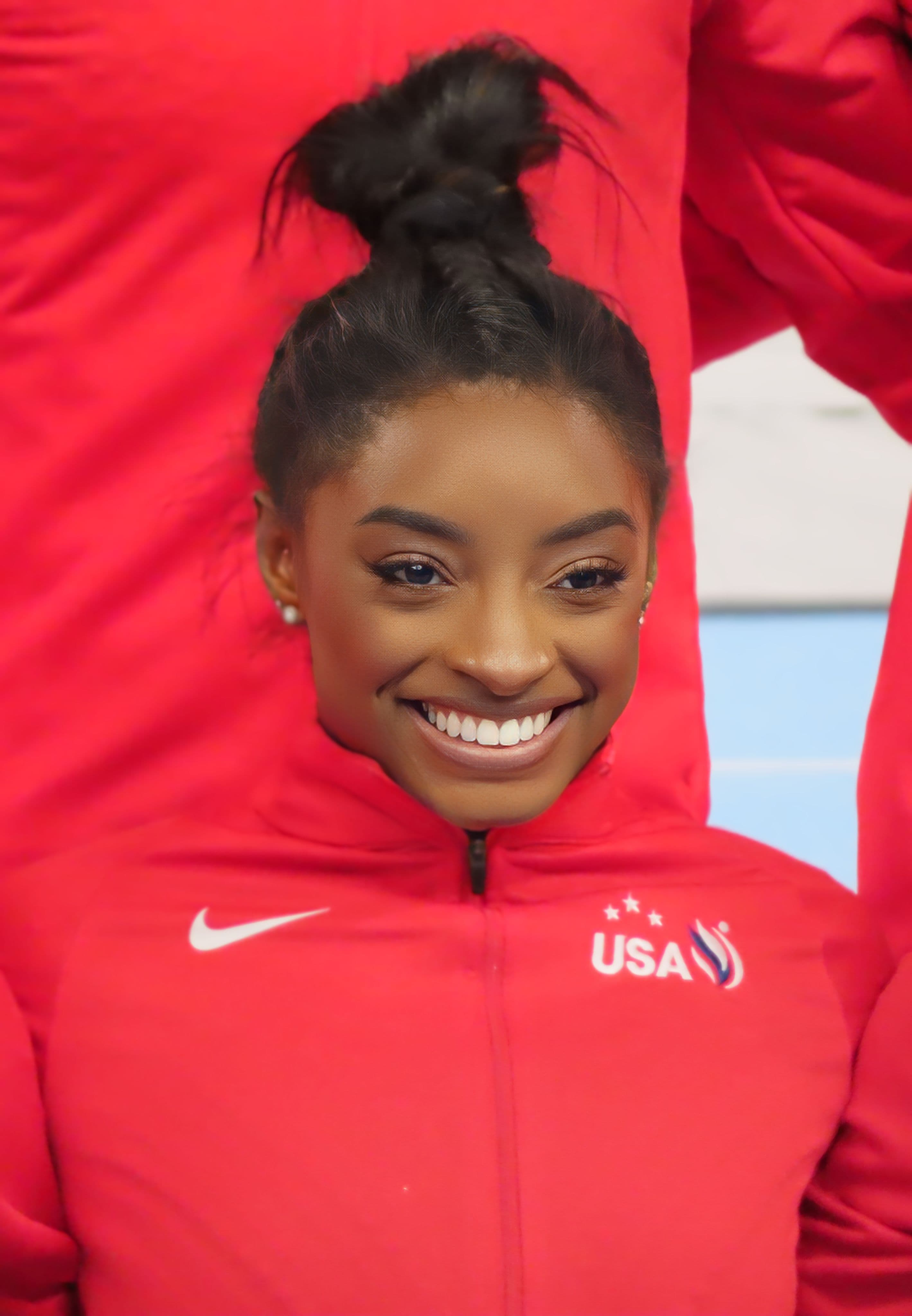
The breakdown
These scores are expert estimates produced from the Wellspoken Index rubric, not the production pipeline. The methodology link below explains how the dimensions are weighted. Read the methodology.
- Structure130 / 250 (52%)
- Conciseness110 / 200 (55%)
- Confidence120 / 150 (80%)
- Pronunciation130 / 150 (87%)
- Filler Rate90 / 150 (60%)
- Pace60 / 100 (60%)
In the recording
Tokyo Olympics press conference, July 27, 2021
Put mental health first, because if you don't, then you're not going to enjoy your sport and you're not going to succeed as much as you want to. So it's OK sometimes to even sit out the big competitions to focus on yourself, because it shows how strong of a competitor that you really are, rather than just battle through it.
- Conciseness / Word Economy. Two sentences carry the whole argument, a warning and a reframe, with no extra aside or qualifier stacked on top of the core claim.
- Structure / Signposting. The word 'so' opens the second sentence and marks a clean pivot from consequence to permission. It's a spoken-language connector rather than a written one, fitting for an unscripted press conference answer.
- Confidence / Assertiveness. Reframes withdrawing as a display of strength instead of defending it as merely acceptable. She isn't apologizing for the decision, she's redefining what the decision means, which is an assertive move under real-time pressure.
How to speak like Simone Biles
Plain naming of internal state
Describes what she's feeling in flat, concrete terms instead of vague language, as in her comment that same day that 'mental's not there,' rather than a longer clinical or euphemistic explanation.
Reframes the expected narrative
Takes the interpretation reporters were likely to assume, that withdrawing looks like weakness, and states the opposite directly rather than letting the assumption stand unaddressed.
Widens 'I' to 'we' to generalize the point
Moves from her own specific situation to a collective claim about athletes in general, turning a personal decision into a broader argument about how athletes are treated.
FAQs
What did Simone Biles say about mental health at the Tokyo Olympics?
After withdrawing from the team final on July 27, 2021, she told reporters to 'put mental health first,' framing the decision to step back from a competition as a sign of strength rather than a failure to push through.
Was Simone Biles' Tokyo press conference scripted?
No. It was a live, unscripted press conference held immediately after a decision made under real-time pressure, which is part of why her sentence structure is looser and more associative than a prepared keynote speech.
What is Simone Biles' speaking style known for?
Plain, unguarded language. She tends to name what she's feeling directly, 'mental's not there' is one example, rather than reaching for a more clinical or diplomatic phrase, which read as authenticity in a moment that could easily have turned defensive.