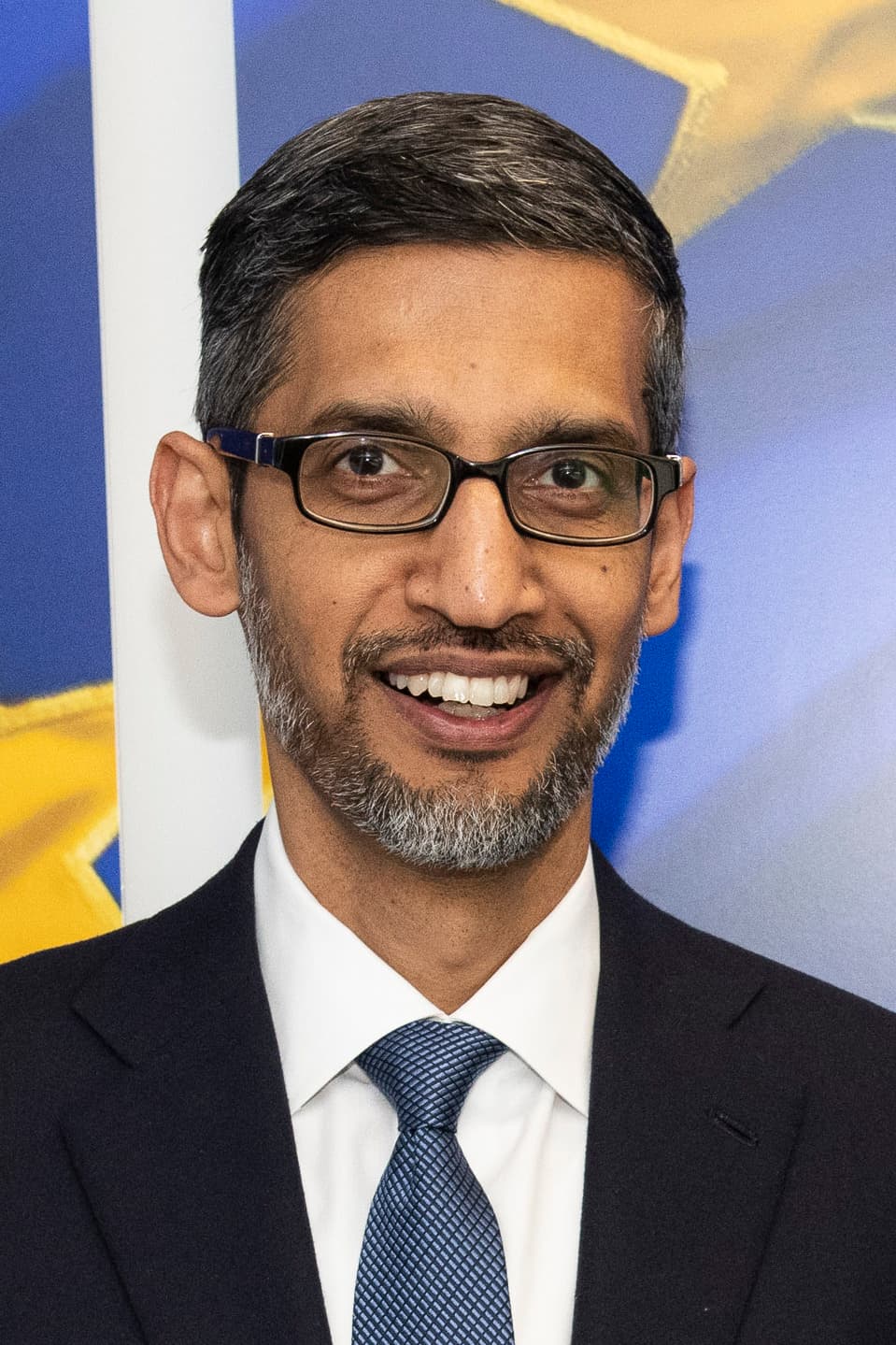
The breakdown
These scores are expert estimates produced from the Wellspoken Index rubric, not the production pipeline. The methodology link below explains how the dimensions are weighted. Read the methodology.
- Structure205 / 250 (82%)
- Conciseness160 / 200 (80%)
- Confidence110 / 150 (73%)
- Pronunciation138 / 150 (92%)
- Filler Rate118 / 150 (79%)
- Pace70 / 100 (70%)
In the recording
Stanford University commencement address, "Set Your Heart Ablaze," June 14, 2026
Some of you know what you're pursuing already. Congratulations. Enjoy closing down the Rosenkrantz now. It gets tougher with the day job. Many of you may have absolutely no clue. That's okay, too. I remember feeling uncertain on graduation day, the sense that life was a series of really big moments and the pressure I felt to get them all exactly right. This is especially true for a group of high achievers who have sweated every grade, every paper, every exam, who are focused on having the right mix of activities, athletics, internships, and now your first jobs.
- Structure / Signposting. Splits the audience into two named groups, those with a plan and those without, and addresses each in turn with a matching short-reassurance-then-elaboration structure.
- Confidence / Assertiveness. Softens his own claim almost immediately, 'Many of you may have absolutely no clue. That's okay, too,' a hedge-then-reassure pattern more common in his diplomatic public style than in a typically declarative commencement speech.
- Conciseness / Word Economy. The closing sentence stacks four parallel nouns, 'every grade, every paper, every exam... activities, athletics, internships,' rather than picking one concrete image, a list-heavy habit that trades sharpness for completeness.
How to speak like Sundar Pichai
Callback title phrase
Builds the speech around a single repeatable phrase, 'set your heart ablaze,' introduced early and returned to at the close, giving an otherwise loosely organized talk a throughline.
Audience-specific opener
Opens by naming idiosyncratic, local details of the specific audience, like a campus bar closing down, before generalizing to a universal message, grounding the talk before it turns abstract.
Hedge-then-reassure pattern
Names an anxiety directly, 'many of you may have absolutely no clue,' before immediately validating it, 'that's ok too,' a de-escalation technique that shows up across his public Q&As and testimony.
FAQs
Why does Sundar Pichai sound so measured when he speaks?
It is a deliberate, diplomatic register he uses across contexts, from product keynotes to congressional testimony, favoring careful qualification over blunt claims. The commencement excerpt above shows the same habit in a lower-stakes setting: naming an audience's anxiety directly, then immediately softening it.
What is Sundar Pichai's speaking pace?
Measured and even, without long dramatic pauses. He tends to move through parallel lists, like 'every grade, every paper, every exam,' at a steady clip rather than slowing down for emphasis on any single item.
Has Sundar Pichai been criticized for his speaking style?
Yes. Coverage of his 2018 and 2020 congressional testimony repeatedly described his answers as repetitive and evasive under direct questioning, a sharp contrast with the warmer, more open register he uses in scripted settings like commencement speeches.