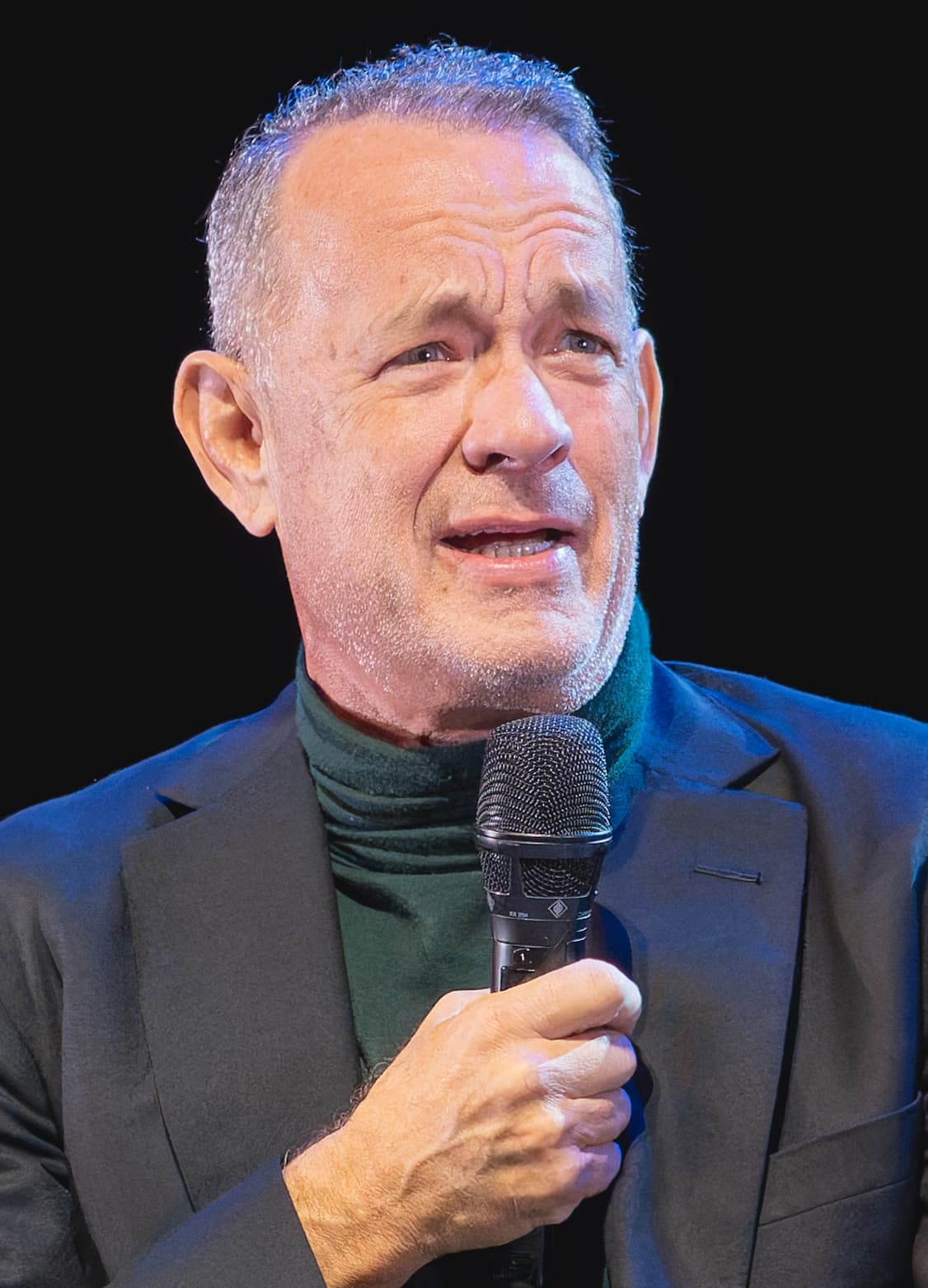
The breakdown
These scores are expert estimates produced from the Wellspoken Index rubric, not the production pipeline. The methodology link below explains how the dimensions are weighted. Read the methodology.
- Structure210 / 250 (84%)
- Conciseness165 / 200 (83%)
- Confidence138 / 150 (92%)
- Pronunciation144 / 150 (96%)
- Filler Rate140 / 150 (93%)
- Pace70 / 100 (70%)
In the recording
Harvard University commencement address, May 25, 2023
It's in places of historic weight and import and in the small spaces in which we all stand. The American way could be exampled, would you respect the law and the rights of all? Because if you don't, who will? When your food is brought to you, will you thank the server? Because if you don't, who will?
- Structure / Signposting. Repeats 'Because if you don't, who will?' twice after two different examples, turning two isolated civic acts into one repeated pattern the audience can predict and finish with him.
- Confidence / Assertiveness. Frames each civic duty as a direct question to the audience ('would you respect the law...') rather than a command, inviting agreement instead of demanding it.
- Conciseness / Word Economy. Pairs one abstract civic idea, respecting the law, with one small, concrete example, thanking a server, in the same breath, so the big idea never floats free of a plain-language anchor.
How to speak like Tom Hanks
Hold one metaphor for the whole speech
Hanks stays with a single extended image (Superman and kryptonite, in the Harvard address) for several minutes rather than switching metaphors, so each new point reinforces the same mental picture.
Use a refrain to turn examples into a pattern
He repeats a line like 'because if you don't, who will?' after separate, unrelated examples, turning a list of civic duties into a rhythm the audience can anticipate and finish with him.
Start small, end big
He opens with low-stakes, concrete examples like thanking a server, then connects them to the largest stakes, truth and democracy, so the big claim rests on something the audience already agrees with.
FAQs
Why does Tom Hanks come across as so likable when he gives a speech?
Hanks writes in a folksy, first-person register even in a formal commencement address, choosing small concrete images, thanking a server, picking up litter, over abstract claims. That grounding, paired with a warm, unhurried vocal delivery honed over decades of voiceover and narration work, reads as sincerity.
What is Tom Hanks' speaking pace?
Measured and unhurried. His Harvard commencement address ran about 20 minutes for roughly 2,500 words, putting his average close to 125 words per minute, on the slower end for a public address, which gives his extended metaphors room to build before he pays them off.
Does Tom Hanks use a lot of filler words?
Very few in prepared remarks like his Harvard speech, which reads as a fully scripted piece delivered close to the page. His disfluency rate rises in unscripted interviews, where he leans on 'you know' as a connective, but his scripted addresses stay close to filler-free.