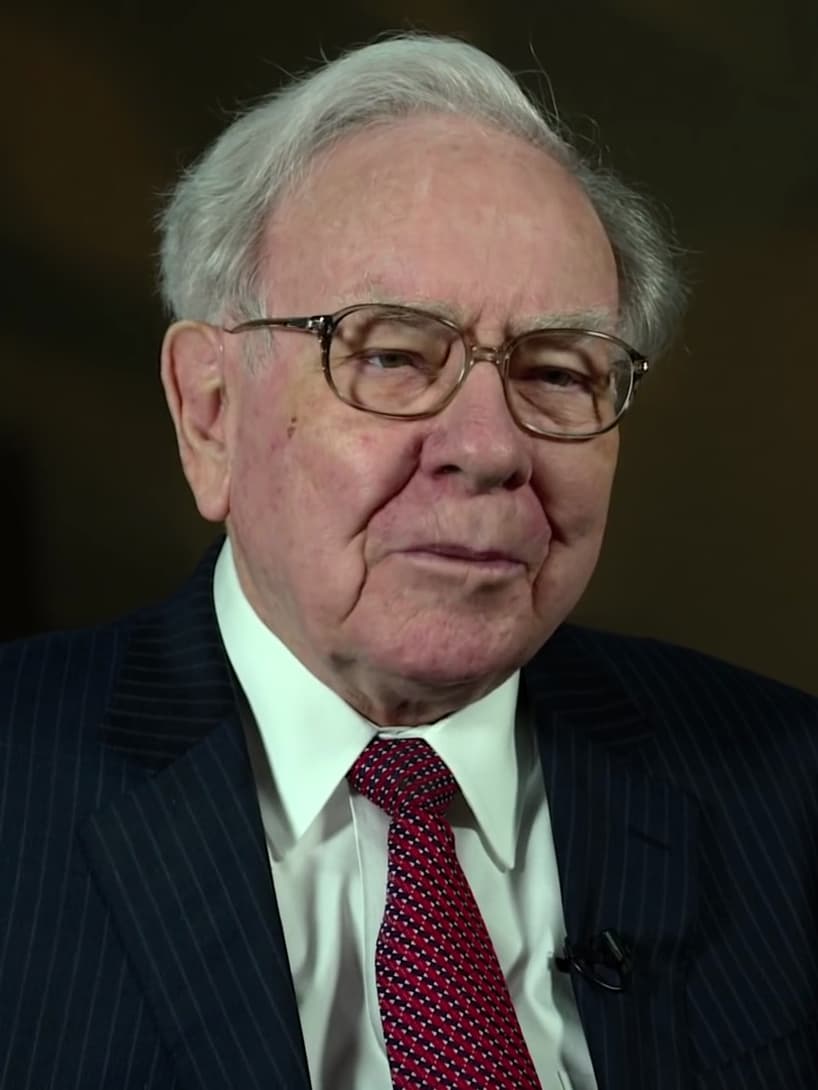
The breakdown
These scores are expert estimates produced from the Wellspoken Index rubric, not the production pipeline. The methodology link below explains how the dimensions are weighted. Read the methodology.
- Structure150 / 250 (60%)
- Conciseness185 / 200 (93%)
- Confidence145 / 150 (97%)
- Pronunciation140 / 150 (93%)
- Filler Rate110 / 150 (73%)
- Pace58 / 100 (58%)
In the recording
Talk to MBA students, University of Florida, October 15, 1998
But in determining whether you succeed there is more to it than intellect and energy. I would like to talk just a second about that. In fact, there was a guy, Pete Kiewit in Omaha, who used to say, he looked for three things in hiring people: integrity, intelligence and energy. And he said if the person did not have the first two, the later two would kill him, because if they don't have integrity, you want them dumb and lazy.
- Structure / Signposting. Introduces the point as a named story, 'a guy, Pete Kiewit in Omaha,' before the lesson, then closes with the punchline as a rule of three, an anecdote-then-maxim structure he reuses across decades of talks.
- Conciseness / Word Economy. No jargon. 'Integrity, intelligence and energy' is a plain, three-word framework delivered without a single financial term, in a talk to finance students.
- Confidence / Assertiveness. 'You want them dumb and lazy' is a blunt, almost provocative reversal, stated flatly with no qualifier, typical of his refusal to soften a conclusion once he's stated the premise.
How to speak like Warren Buffett
Homespun analogy
Grounds complex financial ideas in physical, ordinary imagery, most famously the 'cigar butt' metaphor for deep-value investing, so a room of any background can follow the logic.
Rule-of-three checklist
Reduces character judgment to three named traits borrowed from a real person, as with Pete Kiewit's integrity, intelligence, and energy, making abstract advice memorable and attributable to someone other than himself.
Q&A-first format
Treats prepared remarks as a brief opener and spends the bulk of most appearances fielding open questions, a format choice that signals confidence in extemporaneous command of the material.
FAQs
Why does Warren Buffett sound so trustworthy when he speaks?
Mostly word choice. Analysts who study his shareholder letters and talks consistently point out that he keeps his vocabulary at roughly an eighth-grade reading level, avoiding financial jargon almost entirely, which makes complex ideas sound like common sense rather than expertise being performed.
What is Warren Buffett's speaking pace?
Slow and deliberate, with a flat Omaha cadence that rarely speeds up even when the content gets technical. He treats pauses as part of the answer, especially in Q&A settings like the University of Florida talk, rather than gaps to be filled.
Does Warren Buffett use filler words?
Occasionally in unscripted Q&A, less so in rehearsed material. His annual shareholder letters, which he drafts and redrafts himself, read far tighter than his live answers to student and shareholder questions.